

Meet Your Commercial EPC Assessor
With over 20 years of experience in the property industry, I provide professional Commercial EPC assessments throughout Hertfordshire and the surrounding areas.
As a fully qualified Level 3 and Level 4 Non-Domestic Energy Assessor, accredited with both Quidos and Elmhurst Energy, I have the qualifications and experience to assess a wide range of commercial properties, including shops, offices, warehouses and industrial units.
My aim is to provide a straightforward, reliable and professional service, helping landlords, property owners and businesses obtain their Commercial EPCs with minimum fuss.
Need a Commercial EPC in Hertfordshire for a shop, office, warehouse, industrial unit, restaurant, nursery, surgery or other non-domestic property? contact us today on 07720 906169
Commercial EPC Herts provides professional non-domestic Energy Performance Certificates for landlords, letting agents, property managers and business owners across Hertfordshire. We help you understand your legal obligations, arrange the assessment and receive a compliant EPC for selling, letting or managing your commercial premises.
Commercial EPCs in Hertfordshire & Surrounding Areas

Areas Covered:-
Get a Commercial EPC Quote
- Accredited non-domestic EPC assessor
- Hertfordshire-based service
- EPCs for offices, shops, warehouses and mixed-use commercial premises
- Clear advice on EPC ratings and MEES compliance
- Fast turnaround available where possible
Call: 07720 906 169
Commercial EPC Services
Commercial EPC Assessments
For commercial properties being sold, let or newly constructed.
MEES Guidance
Advice for landlords whose property may fall below the minimum rating.

EPC Renewal Checks
Commercial EPCs are generally valid for 10 years, but a new certificate may be useful after works or before marketing. GOV.UK states that EPCs for business premises are valid for 10 years and that owners need a commercial energy assessor for business properties.
Property types covered
- Offices
- Retail units
- Warehouses
- Industrial units
- Restaurants and cafés
- Salons and clinics
- Nurseries
- Mixed-use commercial premises

Why You Need a Commercial EPC
A commercial property needs an EPC, or Energy Performance Certificate, because it shows how energy efficient the building is and is usually a legal requirement when the property is sold, let or built.
For a commercial property owner, landlord or agent, an EPC matters for five main reasons.
1. It is usually a legal requirement
In England and Wales, most business premises need an EPC when they are marketed for sale or rent. GOV.UK says you need to arrange a property assessment with a commercial energy assessor to get an EPC for business premises. The certificate is normally valid for 10 years.
2. It gives the building an energy rating
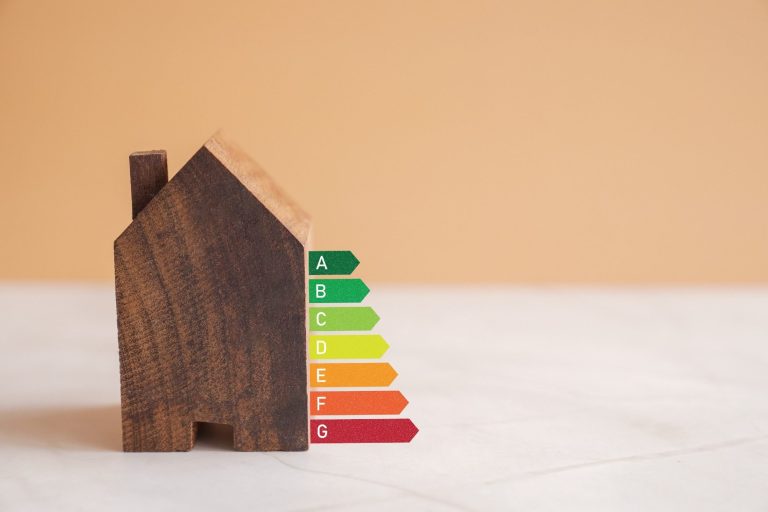
A commercial EPC rates the property from A to G, with A being the most energy efficient and G being the least efficient. This helps landlords, buyers and tenants understand how efficient the building is likely to be before they commit to a lease or purchase.
3. It helps with MEES compliance
Commercial landlords also need to consider MEES, the Minimum Energy Efficiency Standard. From 1 April 2023, non-domestic landlords in England and Wales generally need a property to have at least an EPC rating of E, unless a valid exemption has been registered.
This is one of the biggest reasons commercial landlords need an EPC. A poor EPC rating can affect whether the property can legally be let.
4. It supports sales, lettings and lease renewals
Solicitors, estate agents, commercial agents, landlords and tenants will often ask for the EPC during a transaction. Without a valid EPC, a sale or letting can be delayed.
A commercial EPC may be needed for:
- Selling a shop, office, warehouse or industrial unit
- Letting a commercial premises to a new tenant
- Renewing or varying a lease
- Checking whether the property meets MEES rules
- Planning energy efficiency improvements before marketing
5. It identifies improvement opportunities
The EPC includes recommendations that can help improve the rating, such as changes to lighting, heating, insulation, ventilation or controls. This can help landlords reduce risk, improve compliance and make the building more attractive to tenants.